Mars may host oceans’ worth of water deep underground
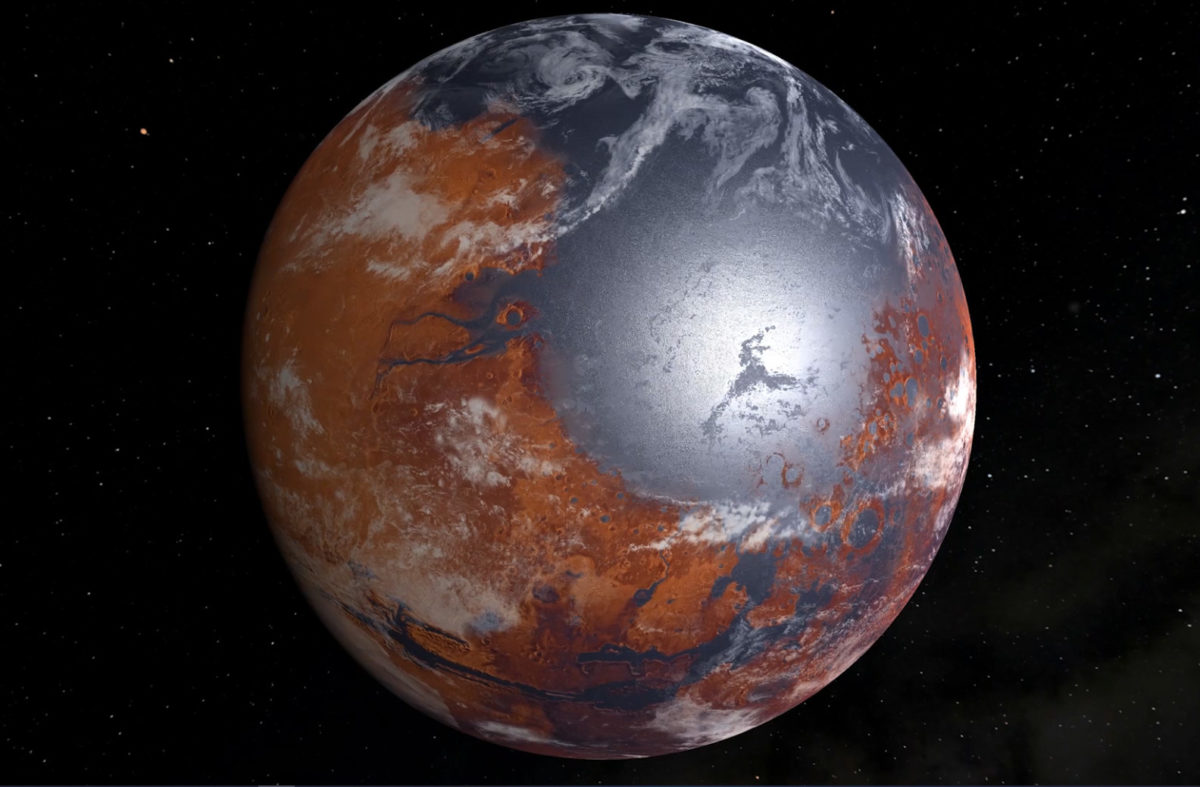
The tentative discovery hints at an habitat where life could potentially thrive.

Welcome to your one-stop shop for all the latest info on what's happening in the solar system! Here, you’ll find everything you need to stay updated on the exciting developments in space exploration, planetary science, and astronomical events. From groundbreaking missions to finding about the planets and cool activities, we cover it all!.
If you are interested in finding more about the solar system, please head over to our information page.
The tentative discovery hints at an habitat where life could potentially thrive.
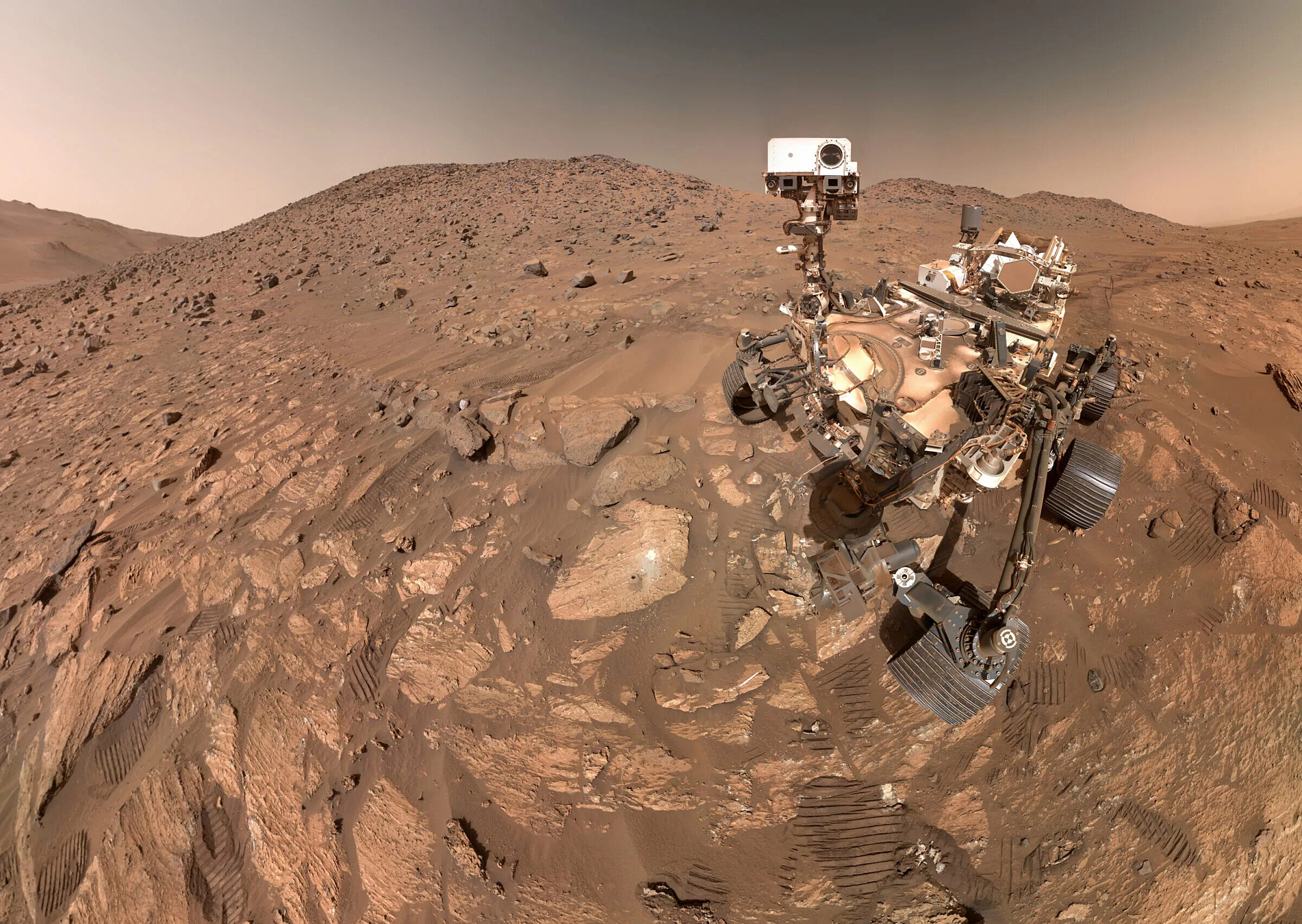
A big rover makes a big find on Mars. Little rovers have their place in exploration, too.
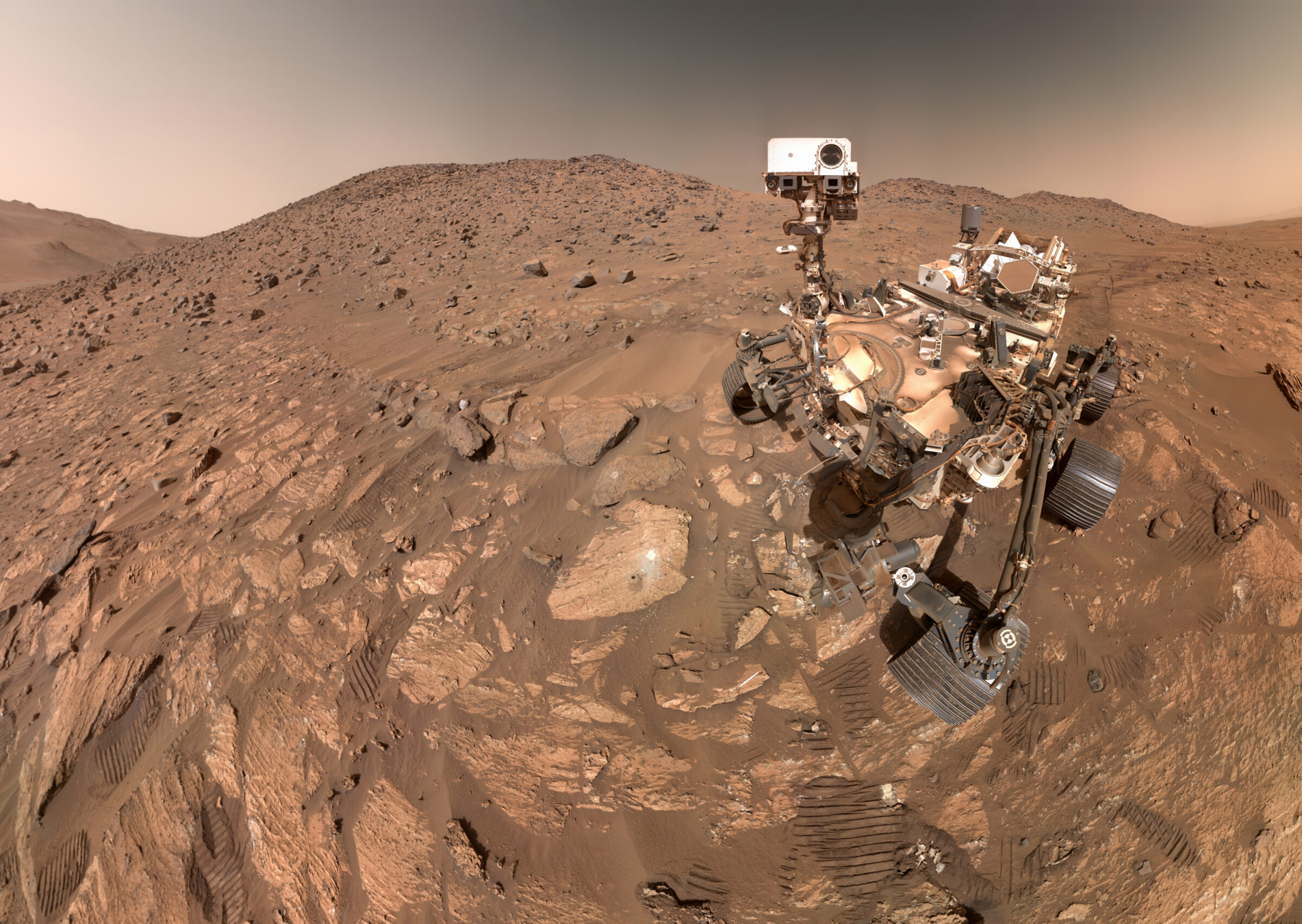
A single 3.5 billion-year-old rock shows signs of all the conditions life needs to thrive.

If passed, it would be the first standalone NASA authorization since 2017.
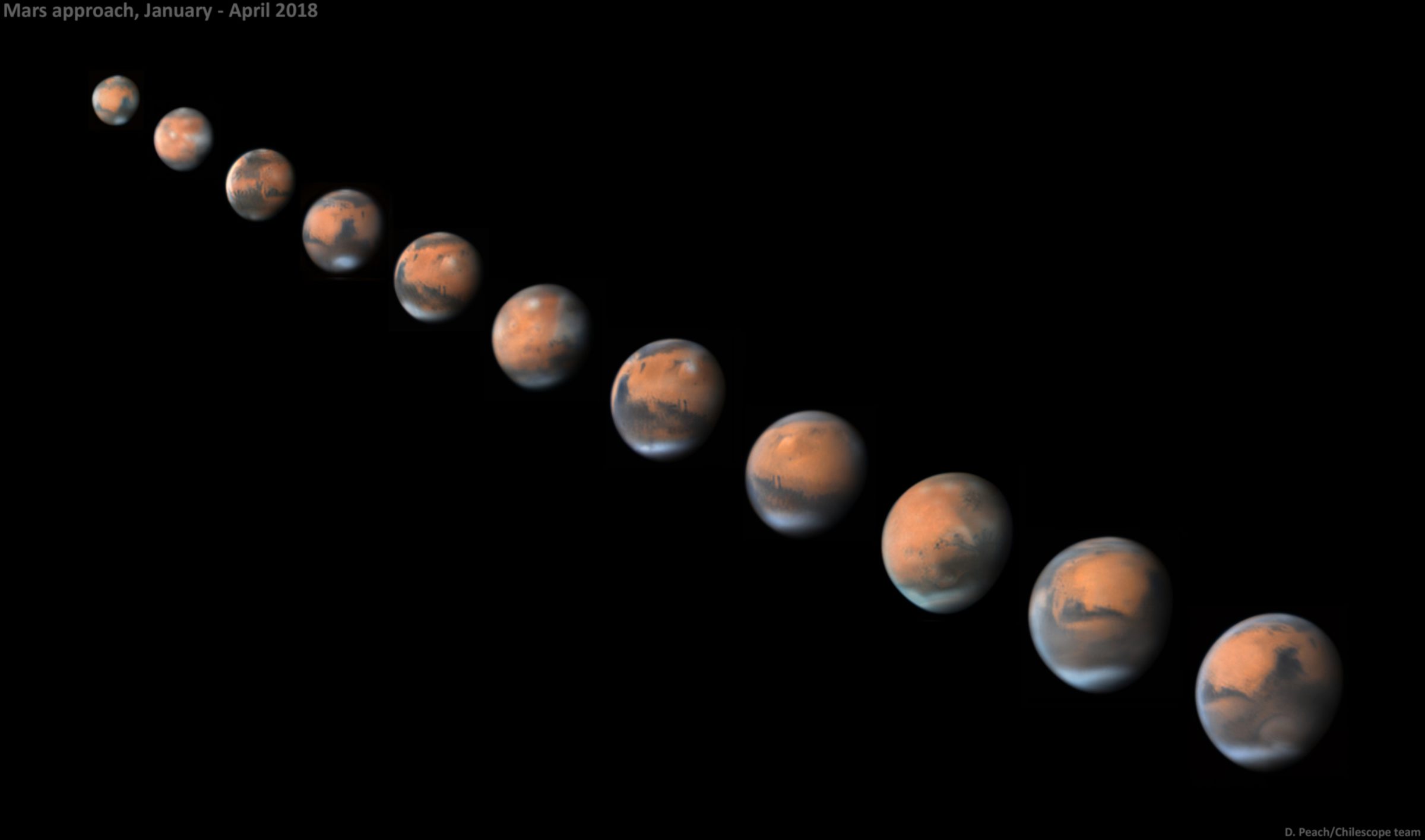
From the dangers of radiation to the complications of landing a crewed spacecraft, there are myriad technical challenges facing human exploration of Mars.

NASA and ESA have signed a partnership agreement to get the ExoMars Rosalind Franklin rover down to the surface of Mars, getting the mission back on track after geopolitical factors delayed it.
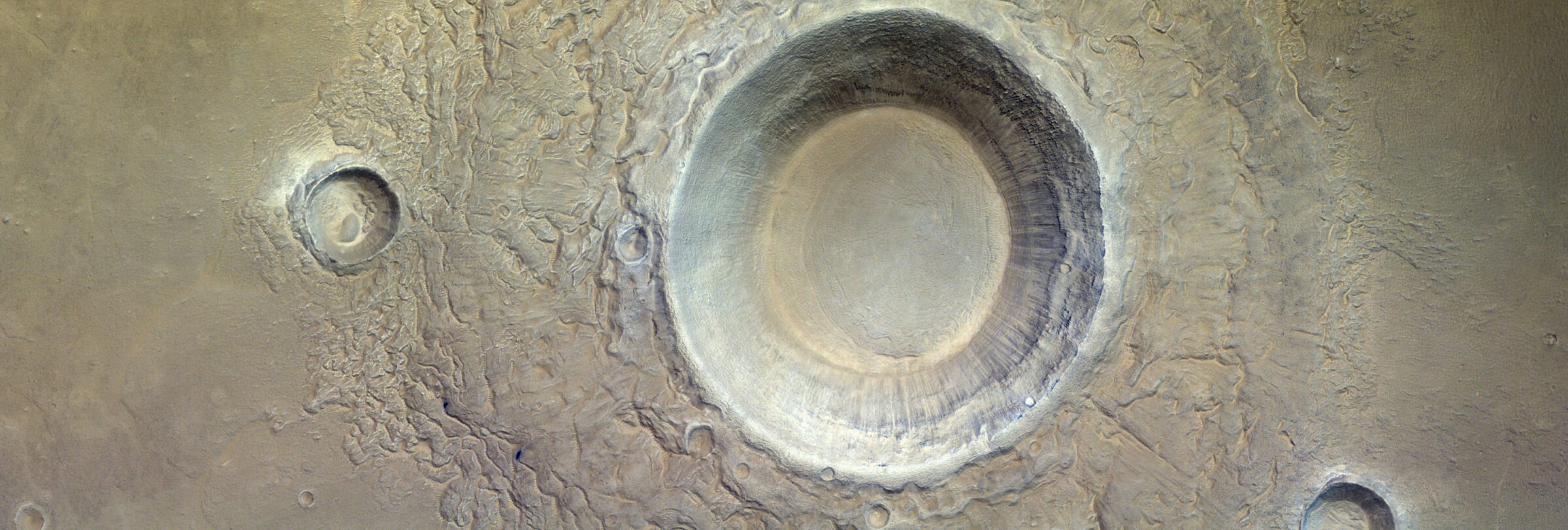
This week brings updates on the next missions to rove — and maybe even fly — over the surface of Mars.
Twenty years ago, a Planetary Society program sent students to NASA's Jet Propulsion Laboratory to work on the Mars Exploration Rovers program.
The project has the potential to transform our understanding of the Solar System and provide evidence of life beyond Earth.
Though promising conceptually, Starship presents more questions than answers for NASA's Mars Sample Return needs.
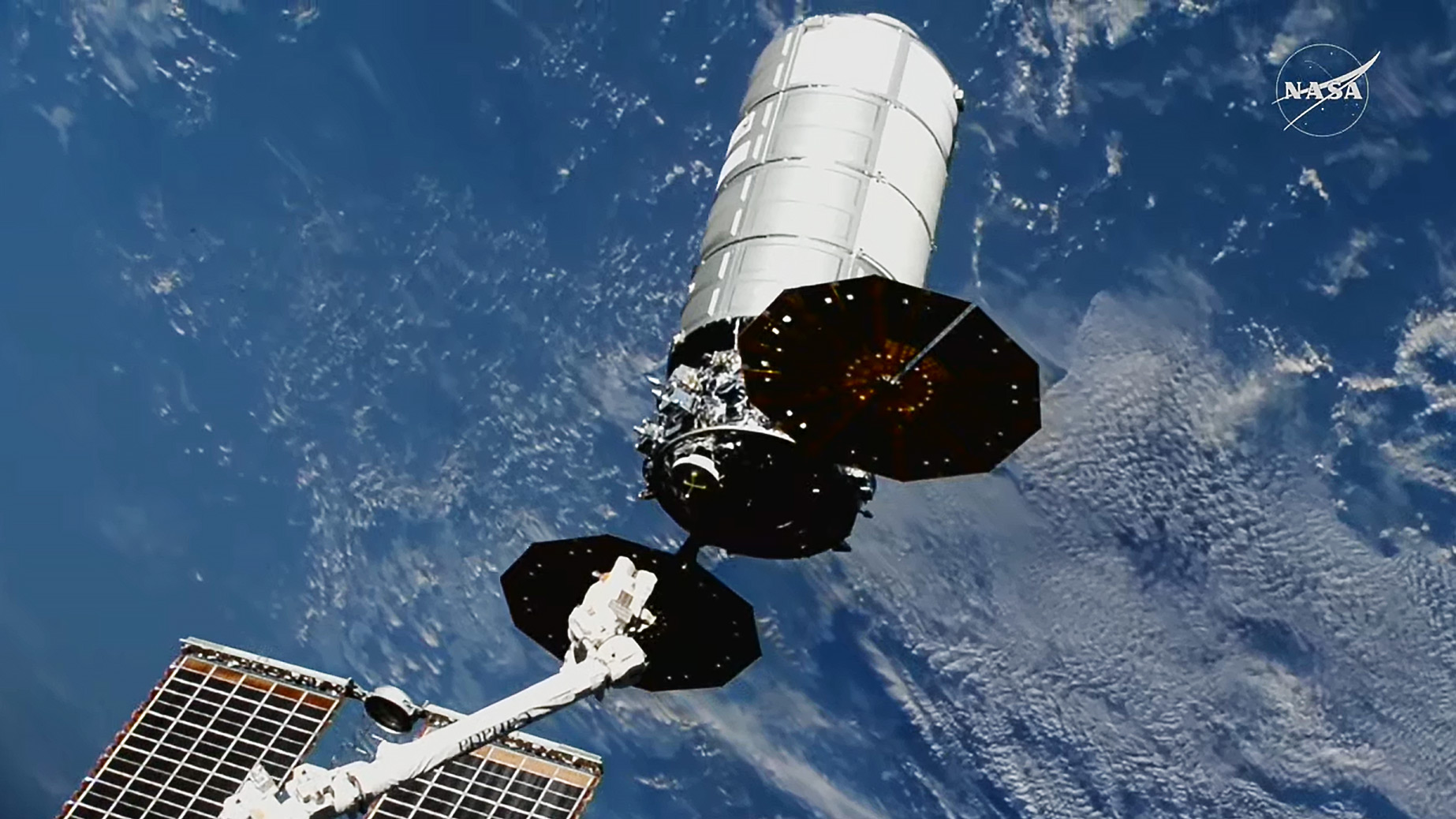
At 12:44 p.m. EDT, Northrop Grumman’s Cygnus XL was released from the Canadarm2 robotic arm after it detached from the Earth-facing port of the International Space Station’s Unity module. At the time of release, the space station was flying about 260 miles above the Pacific Ocean.
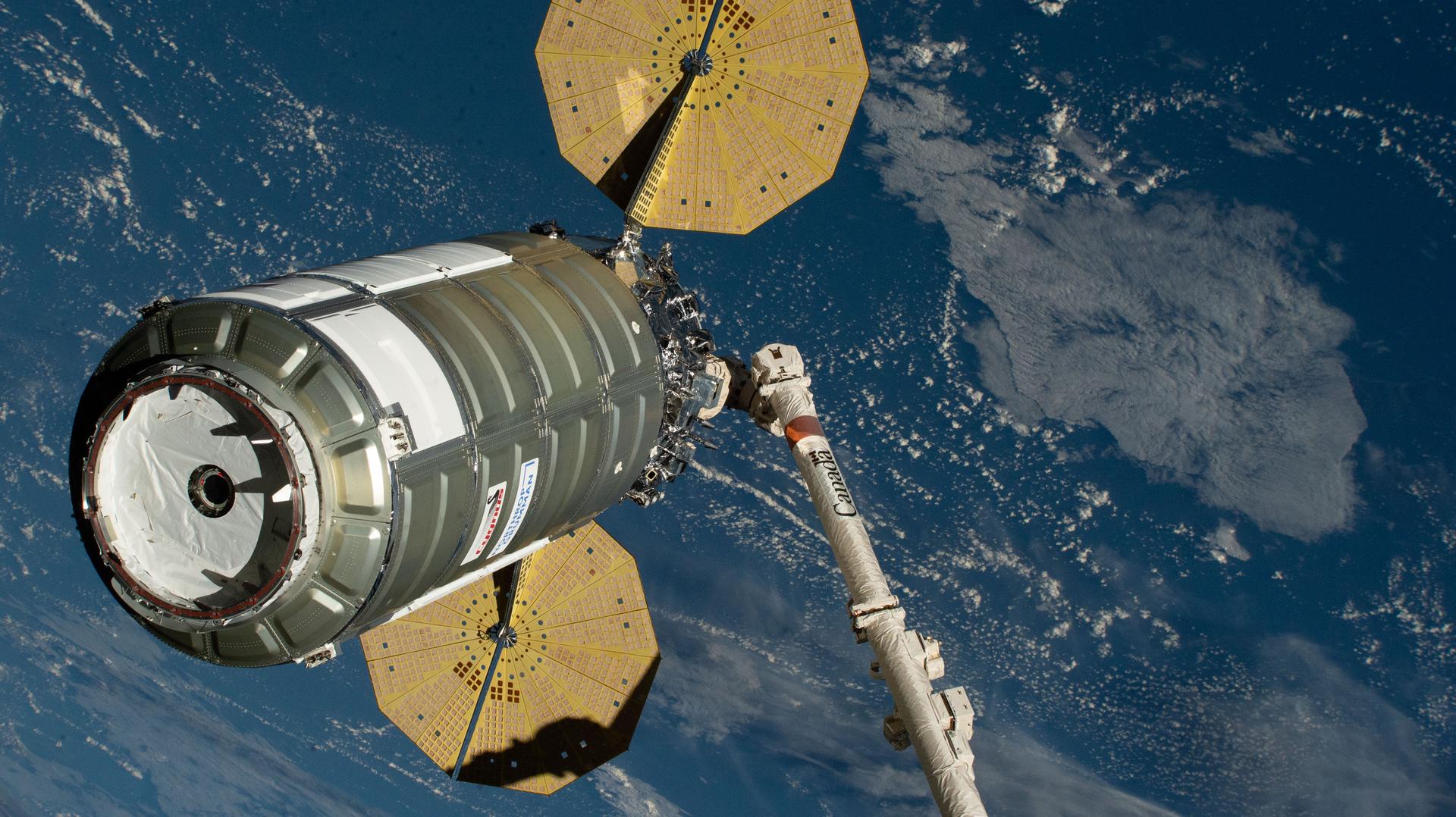
NASA is streaming live coverage of Northrop Grumman’s Commercial Resupply Services-24 mission departure from the International Space Station.
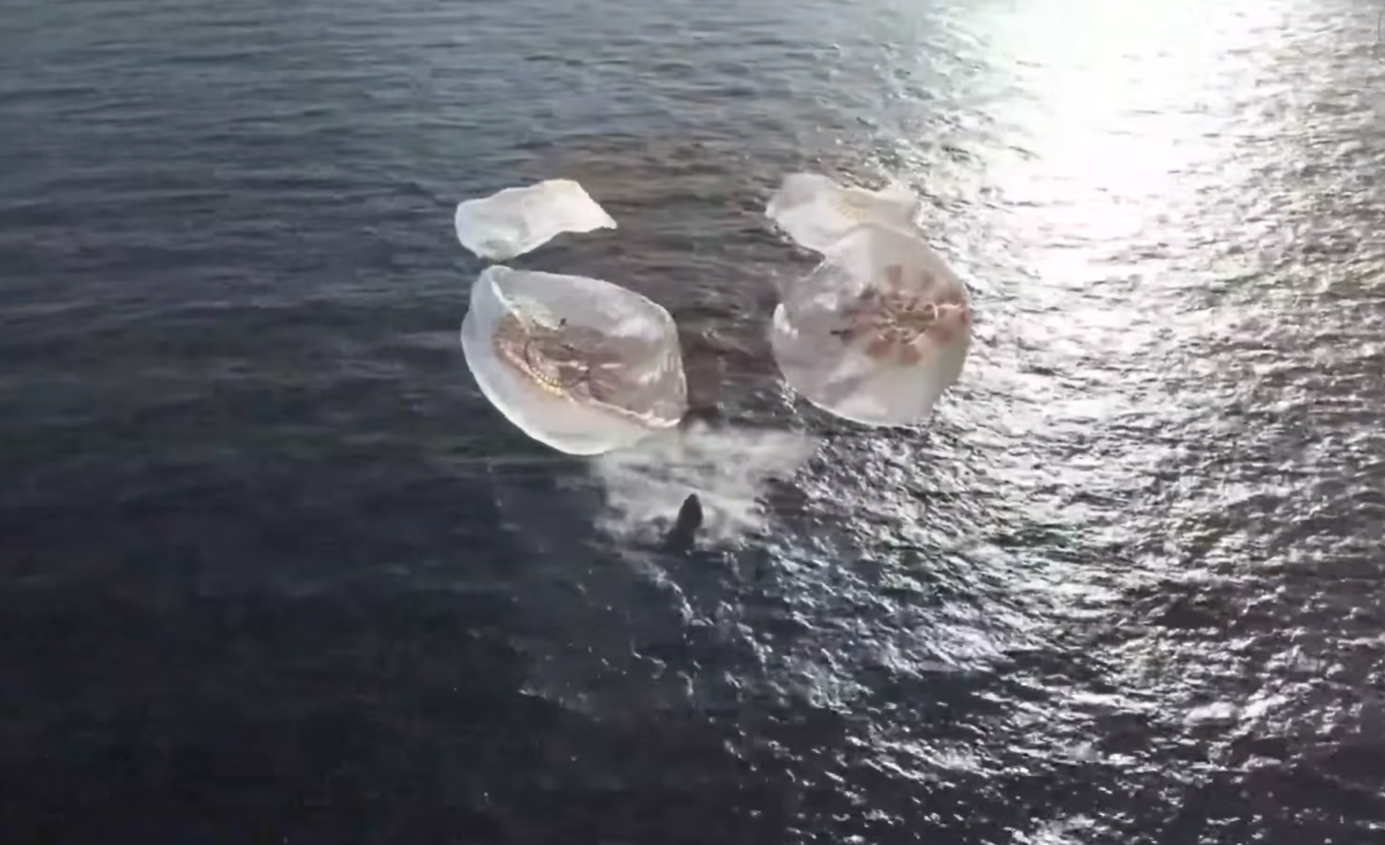
At 11:34 a.m. EDT (8:34 a.m. PDT), the SpaceX Dragon spacecraft, carrying Jessica Meir and Jack Hathaway, ESA (European Space Agency) astronaut Sophie Adenot, and Roscosmos cosmonaut Andrey Fedyaev splashed down off the coast of Los Angeles, California. Teams aboard the recovery ship, including two fast boats, are securing the SpaceX Dragon and ensuring the spacecraft is safe for the recovery effort. As the fast […]
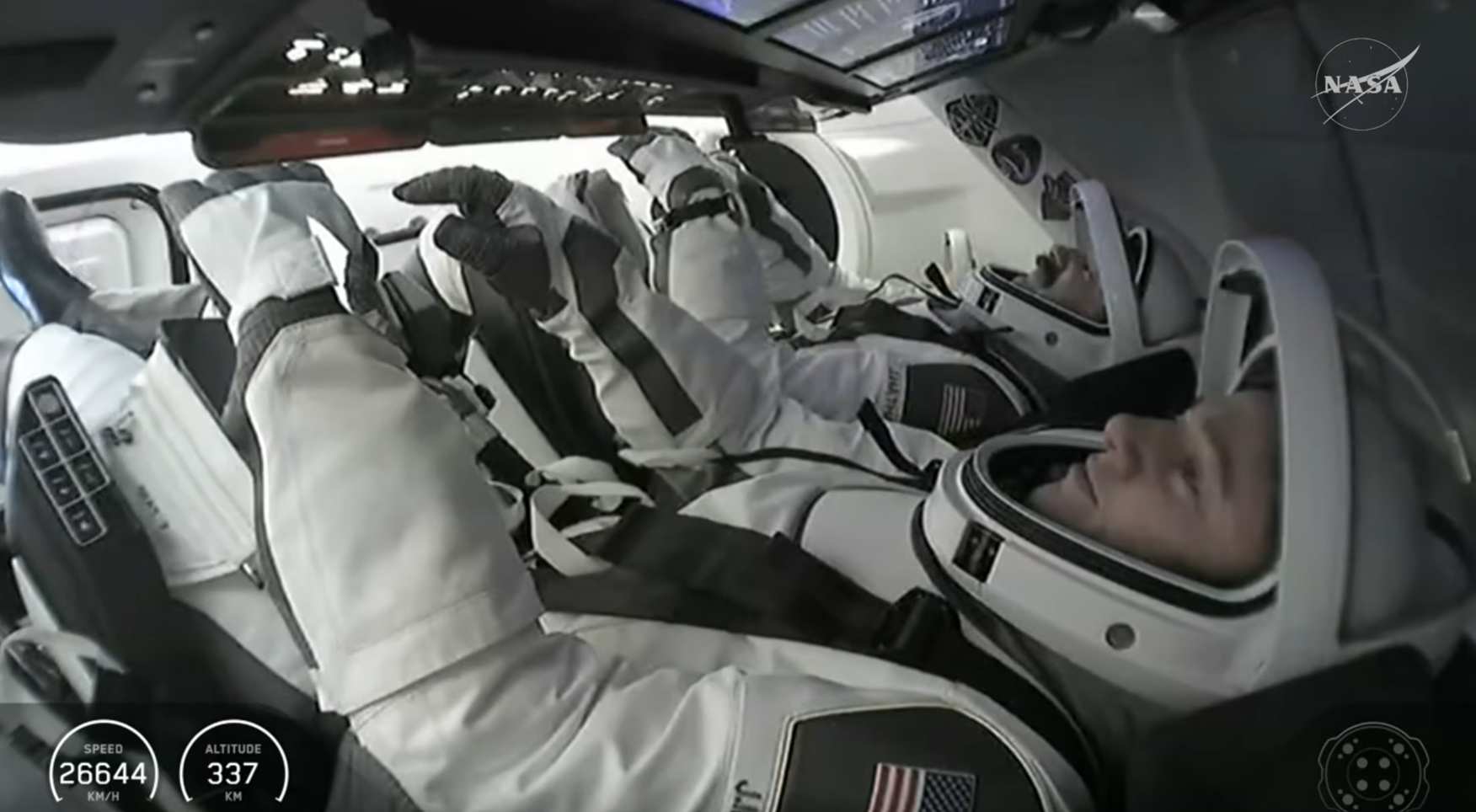
The SpaceX Dragon spacecraft carrying NASA astronauts Jessica Meir and Jack Hathaway, ESA (European Space Agency) astronaut Sophie Adenot, and Roscosmos cosmonaut Andrey Fedyaev completed its deorbit burn as expected ahead of splashdown. Four minutes before splashdown, the drogue parachutes will deploy at about 18,000 feet in altitude while Dragon is moving approximately 350 mph. Less than a minute later, at about […]
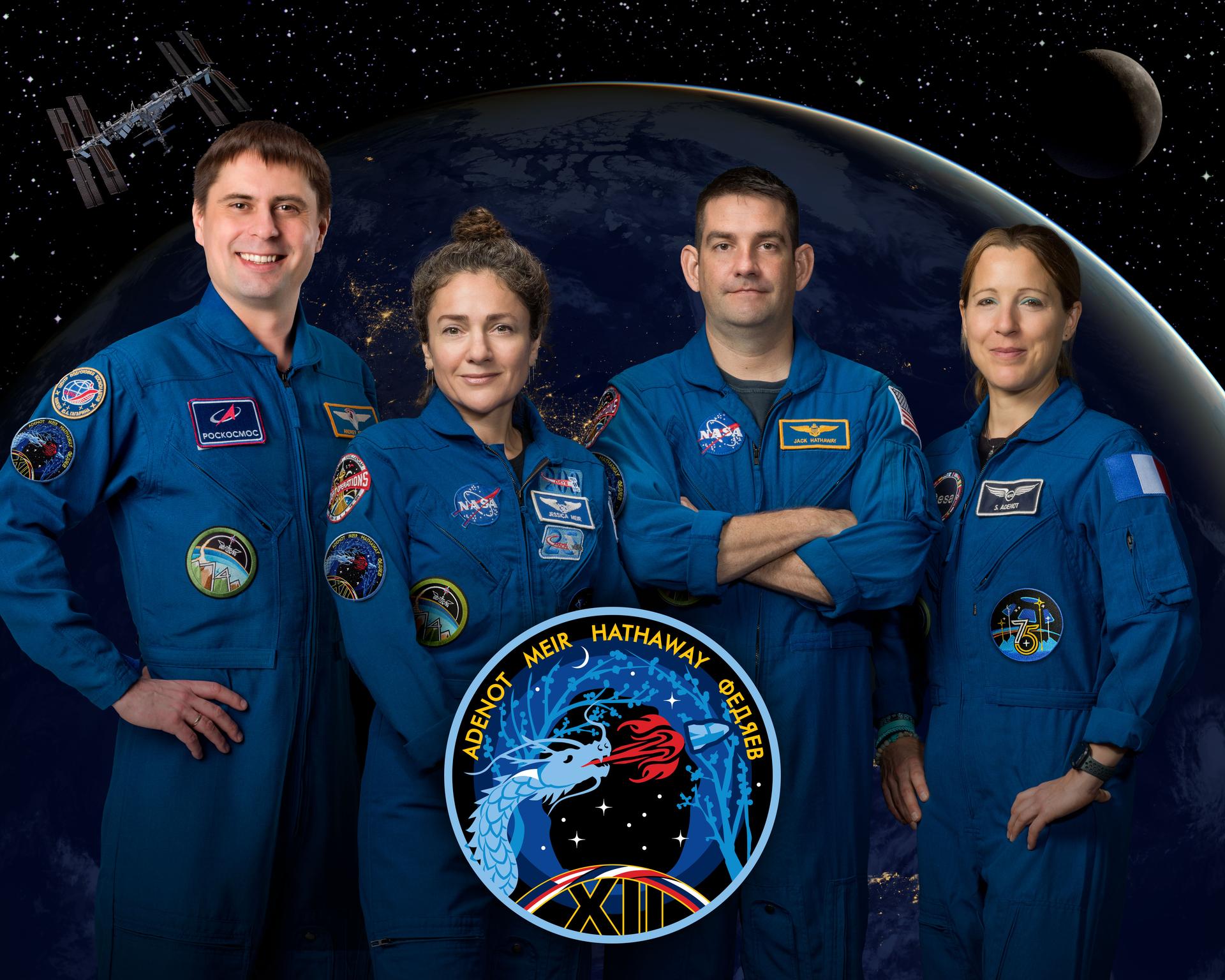
Live coverage is underway as NASA astronauts Jessica Meir and Jack Hathaway, ESA (European Space Agency) astronaut Sophie Adenot, and Roscosmos cosmonaut Andrey Fedyaev are almost an hour away from splashing down aboard their SpaceX Dragon spacecraft. The deorbit burn is scheduled to begin around 10:46 a.m. EDT. Splashdown remains targeted for approximately 11:34 a.m.. […]